How to Promote AI Music When the Algorithm Won't: A Release-Week Plan
Streaming algorithms now filter a lot of AI music. How to promote AI-made songs in 2026 with a real artist identity, short video, and a release-week plan.
November 11, 2026·Updated October 27, 2026·6 min read
Quick answer
In 2026, streaming services keep much AI-generated music out of recommendations: Spotify says it removed more than 50 million slop and spam tracks from recommendations this year and excludes AI personas from editorial and algorithmic recommendations by default, and Deezer removes tracks it detects as AI from algorithmic recommendations. So promotion that waits for an algorithm rarely works. Instead, present a real, recognizable artist, disclose AI use honestly, check what your distributor delivers to TikTok and Instagram, make varied visuals rather than mass-produced templates, run a planned release week on short video, send everyone to one link, and never buy streams or playlist placement.
If you make music with AI tools, the hardest part in 2026 is not getting a song online. It is getting real people to hear it, because the biggest streaming services now filter much AI-generated music out of their recommendations.
This guide explains what changed, then gives you a release-week plan that builds listeners without depending on an algorithm.
Checked October 27, 2026. Platform rules for AI music change often. Each rule below links to the platform's own page; check them before you release. This is not legal advice.
Why AI music is harder to promote in 2026
On October 20, 2026, Spotify reported that it had taken more than 50 million "slop and spam" tracks out of recommendations this year and removed more than 75 million spammy tracks from the platform (Spotify). It also said:
Artists whose identity is believed to be AI-generated get an AI Persona label and are excluded from editorial and algorithmic recommendations by default, unless a listener follows them.
AI Credits, launched in April, show which roles and instruments were made with AI in a song's credits.
Tracks with a high probability of being AI-generated are 10 times more likely to fall below the 1,000-stream threshold a track needs to earn recording royalties.
Deezer reported in July 2026 that it receives nearly 90,000 fully AI-generated tracks a day, more than half of daily deliveries on peak days, while AI music makes up only 1–3% of listening. Tracks it detects as AI-generated are removed from algorithmic recommendations and kept out of editorial playlists (Deezer).
The practical result: if your plan is to upload and wait for Release Radar or Discover Weekly, it will probably not work. The listeners you get are the ones you bring yourself.
Step 1: be a recognizable artist, not a faceless upload
Spotify's Verified badge signals that a real, identifiable person is behind the music, and its AI Persona label marks the opposite (Spotify). Whatever tools you use, make it obvious there is a person with taste and intent behind the songs:
Use one artist name, photo or visual identity, and short bio everywhere.
Say what you actually do: write the lyrics, shape the arrangement, choose and edit the takes, direct the visuals.
Disclose AI use honestly through your distributor's AI credits or disclosure step. Hiding it is a short-term trick that costs trust.
Release at a human pace. Dozens of near-identical tracks a month look like spam to platforms and listeners alike.
Step 2: check what your distributor delivers before you plan
Distributors set their own rules for AI music, and some limit where fully AI-generated tracks go. For example, UnitedMasters and LANDR say in their help pages that fully AI-generated tracks are not eligible for some services, including Meta (Facebook and Instagram) and TikTok (UnitedMasters, LANDR). If your song will not be in TikTok's or Instagram's sound library, fans cannot add it to their own videos, so your promotion has to use videos you post yourself with the song's audio.
Read your own distributor's AI policy before release day, and plan around what it actually delivers.
Step 3: make visuals that do not look mass-produced
YouTube does not monetize content that is mass-produced or repetitive, including videos that look like they were made with a template; it clarified this as its "inauthentic content" policy in July 2025 (YouTube). Listeners skip the same thing on every platform. Give each song its own look:
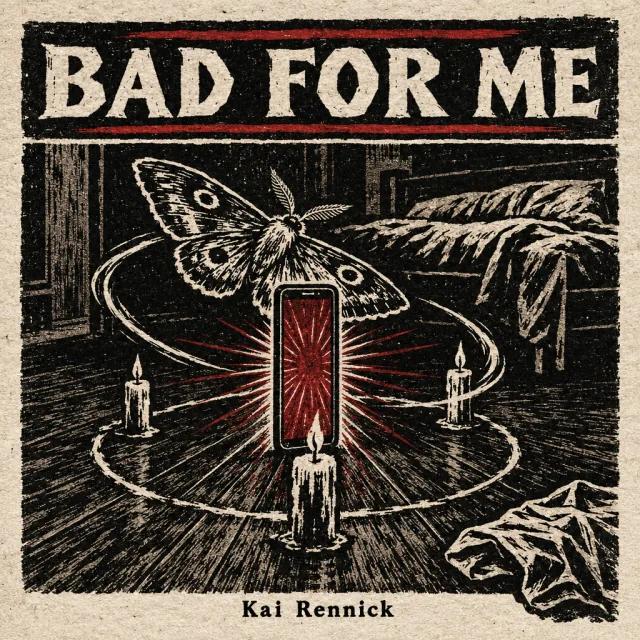
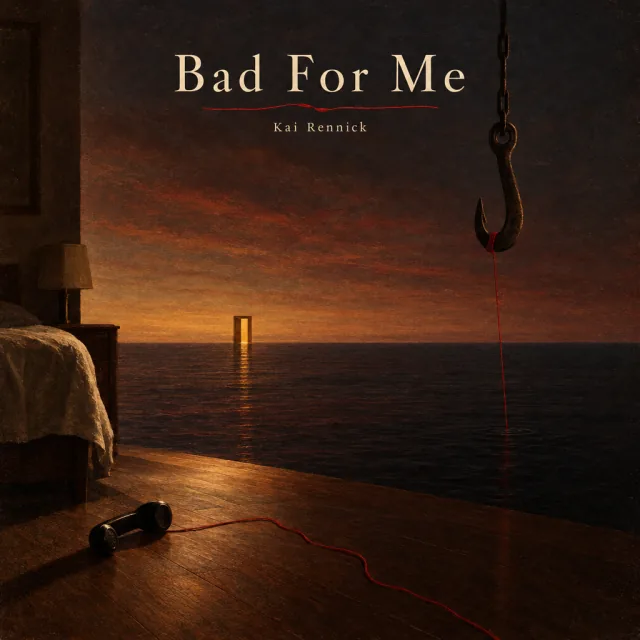
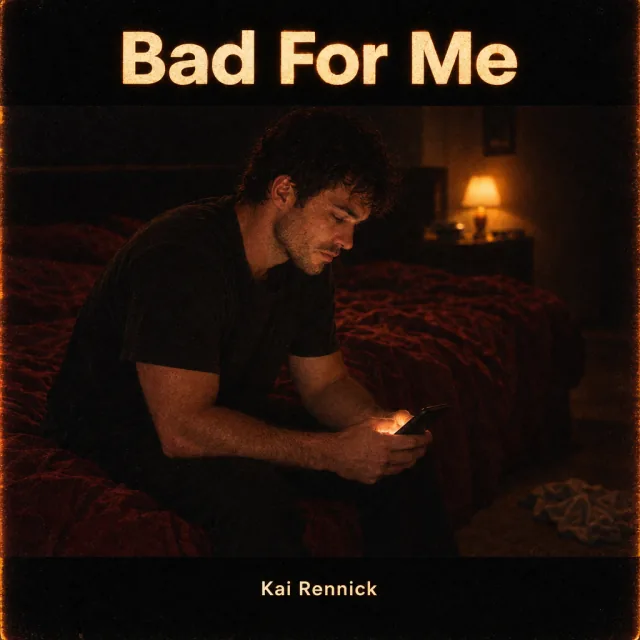
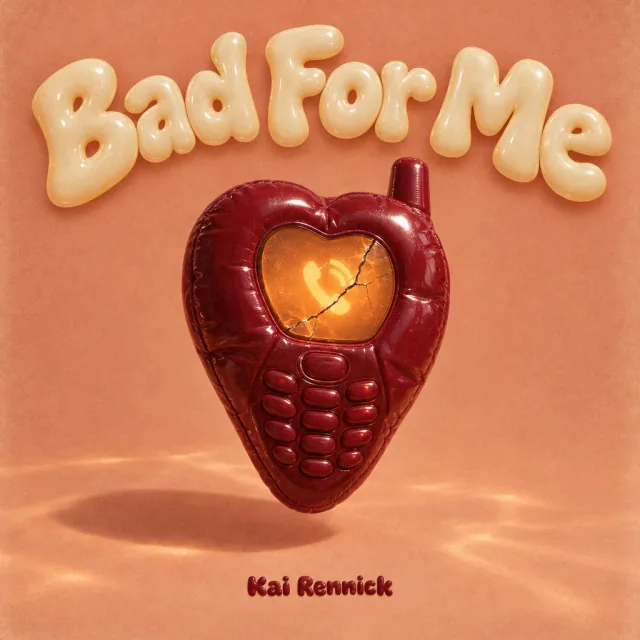
A cover that fits the song rather than a generic AI image.
Short vertical videos that show a different moment of the song each time.
A lyric video or visualizer for YouTube that matches the song's mood, not the same template as your last ten uploads.
Where a platform asks you to label AI-generated visuals, label them.
For platform-by-platform ideas, see how to promote your music on social media.
Step 4: run a planned release week
One post on release day is not a campaign. A simple week of short videos gives people several chances to hear the song:
Day | Post |
|---|---|
7 days before | A teaser: the idea behind the song and the release date |
3 days before | The strongest 10–15 seconds of the song |
Release day | "Out now" with one link |
Day 1 after | The story: why you made it and what you wanted it to feel like |
Day 3 after | A different moment of the song, such as the bridge or the final chorus |
Day 5 after | How you made it: your process, including how you used AI tools |
Day 7 after | Thank listeners, share a reaction, and point to what is next |
Post the same week across TikTok, Instagram Reels, and YouTube Shorts, then keep the best-performing moment going after release. For converting views into listens, see how to turn social media views into Spotify listeners.
Step 5: send everyone to one link, and build your own audience
Use one link in every bio and post, with the new song at the top.
Collect email addresses or a group chat for people who want the next release.
Join communities where AI-made music is welcome, follow their self-promotion rules, and contribute more than you post.
Collaborate with other creators and human musicians; shared audiences are still the fastest way to new listeners.
What to avoid
Buying streams or guaranteed playlist placement. Spotify says these services violate its terms, and penalties include removed streams and withheld royalties (Spotify). Deezer found that up to 85% of streams on fully AI-generated tracks were fraudulent in 2025.
Mass uploads of many similar tracks, which look like spam to platforms.
Imitating real artists' voices or names, which distributors and platforms prohibit.
Tools that promise your AI music will be "undetectable." They put your releases and accounts at risk.
For spotting fake services, see how to spot fake Spotify playlists and bot streams.
Where Amplyfy helps
Amplyfy is not a distributor; you release the song through your own. What it does is the release week around it. In a release workspace, Amp listens to the song, makes the cover, short videos, and a lyric video or visualizer in the song's look, and drafts a release-week post plan that can post to connected Instagram, TikTok, YouTube, and Facebook accounts once you approve each post. Your AmpLink keeps the new song at the top of one link. Your first release is free.
For other tools, see the best AI tools for music marketing.
The bottom line
In 2026, AI music does not get found by waiting. Be a recognizable artist, disclose AI honestly, check what your distributor delivers, make visuals that do not look mass-produced, and run a real release week that sends people to one link. Real listeners, even a few hundred of them, are worth more than any number you could buy.
Build your music career on Amplyfy
Get discovered, promote your releases, and manage everything in one place — free to start.
Create your free profileFrequently asked questions
Can you promote AI music on Spotify?
Yes, but do not rely on Spotify's algorithms to do it. As of October 2026, Spotify keeps slop and spam out of recommendations and excludes AI personas from editorial and algorithmic recommendations by default unless a listener follows them. Bring listeners yourself through social video, your link page, and your own audience.
Does Spotify penalize AI-generated music?
Spotify's October 2026 update targets slop and spam rather than every track made with AI tools, and it shows AI use through AI Credits in song credits. But artists it labels as AI personas are excluded from editorial and algorithmic recommendations by default, and tracks likely to be AI-generated are 10 times more likely to fall below the 1,000-stream royalty threshold.
How do I promote AI music on TikTok?
Post your own videos with the song's audio rather than relying on the song appearing in TikTok's sound library, because some distributors say they do not deliver fully AI-generated tracks to TikTok or Meta. Show the song in context: the idea behind it, a strong 10-second moment, and how you made it.
Should I disclose that my music uses AI?
Yes. Disclose honestly through your distributor's AI credits or disclosure step and in how you describe your role. Spotify shows AI credits in song credits, and listeners are more likely to trust an artist who is open about how the music is made.
Is it safe to pay for playlist placement for AI music?
No. Spotify says services that guarantee streams or paid playlist placement violate its terms, and penalties can include removed streams, withheld royalties, and removed content. Deezer reported that up to 85% of streams on fully AI-generated tracks were fraudulent in 2025.
Does Amplyfy distribute AI music?
No. Amplyfy is not a distributor. It makes release assets, such as covers, short videos, lyric videos, and a release-week post plan, and gives you a link page. You release the song through your own distributor.